

Fragrance lovers across Australia know the true art of scent goes far beyond a single spritz. Creating a unique signature often starts with thoughtful preparation and bold experimentation, especially when every step uses premium, sustainable ingredients. For eco-conscious enthusiasts, mastering perfume layering means caring for both your skin and the planet. This guide reveals how to build a stunning multi-dimensional aroma, from preparing a hydrated, scent-friendly canvas to blending complementary notes for lasting olfactory harmony.
Table of Contents
- Step 1: Prepare Your Scent-Friendly Canvas
- Step 2: Select Complementary Fragrance Notes
- Step 3: Apply Scents In Strategic Order
- Step 4: Fine-Tune And Test Your Layered Aroma
- Step 5: Maintain And Reapply For Lasting Results
Quick Summary
| Key Point | Explanation |
|---|---|
| 1. Prepare Skin for Fragrance | Clean and hydrate your skin to enhance scent retention and longevity. |
| 2. Choose Complementary Notes | Select fragrances that harmonise well to create a sophisticated scent. |
| 3. Apply in Strategic Order | Start with heavier base notes and layer lighter scents for balance. |
| 4. Test and Fine-tune Layers | Experiment with small amounts and observe interactions for the best results. |
| 5. Maintain and Reapply Strategically | Refresh your scent with light touch-ups throughout the day for all-day wear. |
Step 1: Prepare your scent-friendly canvas
Before diving into the intricate world of perfume layering, preparing your skin becomes the foundational canvas for a stunning scent experience. Think of your skin as the delicate backdrop where fragrance artistry unfolds - a clean, hydrated surface that allows perfume molecules to dance and develop beautifully.
To create the optimal environment for scent layering, you’ll want to focus on three critical preparatory steps:
- Cleanse thoroughly with a gentle, moisturising body wash
- Hydrate your skin using a neutral or unscented body lotion
- Select the right moisturising base that won’t compete with your chosen fragrances
Your skin preparation matters dramatically. Preparing skin for fragrance requires understanding how moisture impacts scent retention. By ensuring your skin is clean and well-hydrated, you’re essentially creating a receptive canvas that helps fragrance molecules adhere more effectively and last significantly longer.
Start by showering with a mild, hydrating cleanser that doesn’t strip your skin’s natural oils. After patting dry, apply a lightweight, unscented moisturiser that creates a smooth base without introducing competing aromatic notes. This approach ensures your carefully selected perfume layers will interact precisely as you intend.
A well-prepared skin canvas can extend your fragrance’s longevity by up to 6-8 hours.
Hot tip: Choose a fragrance-free moisturiser with natural ingredients like jojoba oil or shea butter to create the perfect scent foundation.
Step 2: Select complementary fragrance notes
In the art of perfume layering, selecting complementary fragrance notes is like composing a delicate musical symphony where each scent plays a unique and harmonious role. Your goal is to create a personalised fragrance experience that tells your olfactory story with nuance and depth.
Understanding fragrance families and note composition allows you to craft sophisticated scent combinations that evolve beautifully throughout the day. The key is balancing different fragrance characteristics strategically:
- Identify base notes such as wood, musk, or amber
- Explore lighter top notes like citrus and floral essences
- Consider complementary fragrance families
- Understand the interaction between different notes
Most successful fragrance layering relies on understanding how different scent families interact. Woody base notes can provide a rich foundation for lighter citrus or floral top notes, creating a complex and intriguing fragrance profile. Think of it like building a flavour profile - each note should enhance and elevate the others without overwhelming the blend.
Masterful fragrance layering transforms individual scents into a unique personal signature.
Start by selecting fragrances with notes that share similar characteristics or create intentional contrasts. A crisp citrus might beautifully cut through a deep woody base, while a delicate floral could soften a more intense musky undertone.
Here is a summary of common fragrance note types and their effects in layering:
| Note Type | Typical Characteristics | Effect in Layering |
|---|---|---|
| Top Notes | Light, fresh, volatile | Create initial impression |
| Heart/Middle Notes | Floral, fruity, spicy | Add personality and depth |
| Base Notes | Woody, musky, amber | Anchor and increase longevity |
Hot tip: Always test your fragrance combinations on a small patch of skin and allow them to interact for at least 30 minutes to understand their true synergy.
Step 3: Apply scents in strategic order
Perfume layering is an intricate dance of aromas, where each fragrance is carefully positioned to create a harmonious and long-lasting scent experience. Strategic scent application techniques can transform your fragrance from fleeting to unforgettable.
To master the art of scent layering, follow these essential guidelines:
- Start with a moisturised base to enhance fragrance adhesion
- Apply heavier base notes first to create a solid foundation
- Layer lighter top notes strategically for complexity
- Allow each layer to dry completely before adding the next
Your layering strategy should mimic a carefully composed musical composition. Begin with your richest, most robust fragrance - typically a woody or musky base note that will anchor your entire scent profile. These deeper notes provide a stable platform for more volatile and lighter essences to dance upon.
The secret to masterful fragrance layering lies in patience and precise application.
Next, introduce complementary lighter notes that will add depth and intrigue to your base. Think of citrus, floral, or herbal notes that can weave through your foundational scent, creating a multi-dimensional olfactory experience. The key is to ensure each layer has a moment to settle and interact with your skin’s unique chemistry.
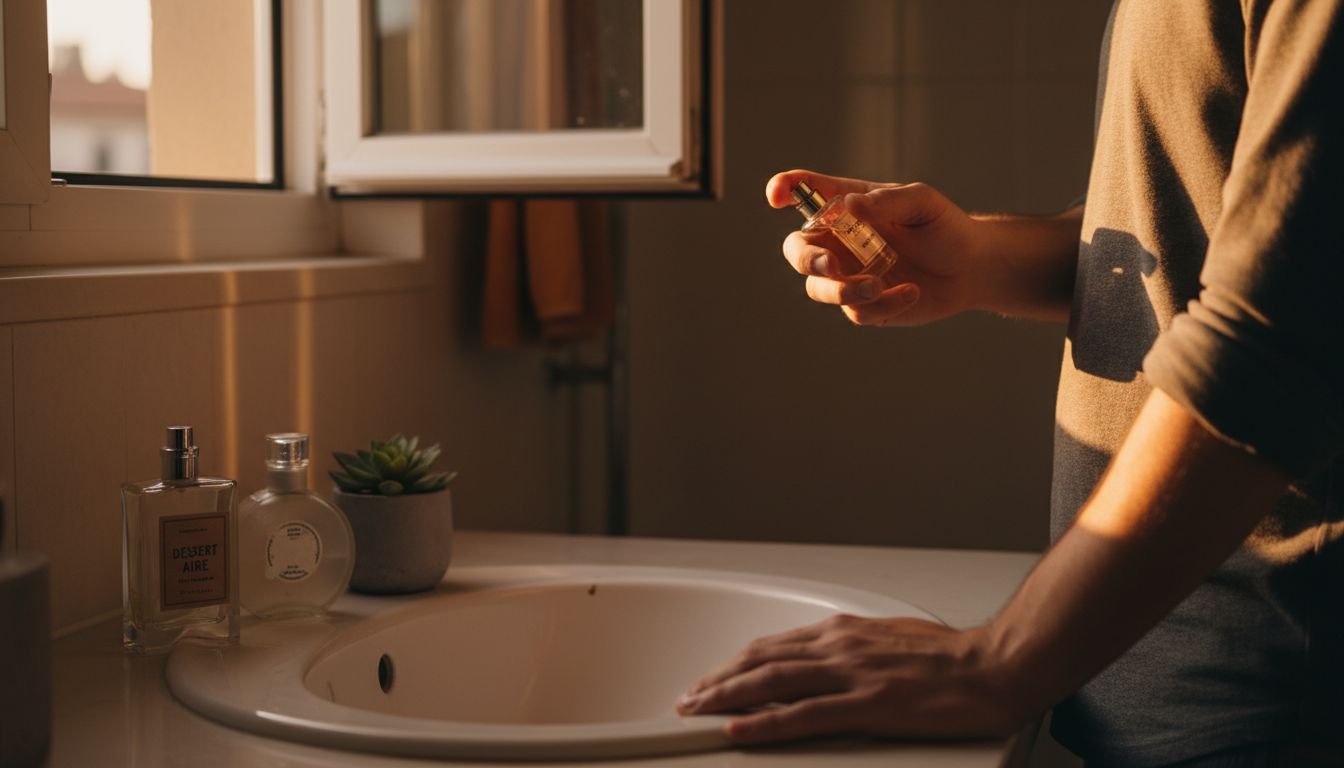
Hot tip: Apply fragrances to pulse points like wrists, neck, and behind ears, where body heat will help activate and diffuse the scent throughout the day.
Step 4: Fine-tune and test your layered aroma
The final stage of perfume layering is a creative exploration that transforms your fragrance from a mere combination of scents into a personal olfactory signature. Perfume layering requires thoughtful experimentation with your unique body chemistry as the ultimate testing ground.
To fine-tune your layered fragrance, consider these strategic approaches:
- Test small amounts of each fragrance
- Observe how scents interact on your skin
- Allow sufficient time for notes to develop
- Note subtle changes throughout the day
- Be prepared to adjust your combinations
Your skin is a living canvas where fragrances evolve dynamically. What smells divine in the bottle might transform completely when it meets your personal biochemistry. Some combinations will surprise you with unexpected harmony, while others might clash dramatically.
Every fragrance tells a story unique to the wearer.
Start by applying minimal amounts of each scent, allowing at least 30 minutes between layers. Pay attention to how the fragrances shift and merge - some notes might become more pronounced, while others recede into the background. The magic of layering lies in these subtle, unpredictable transformations.
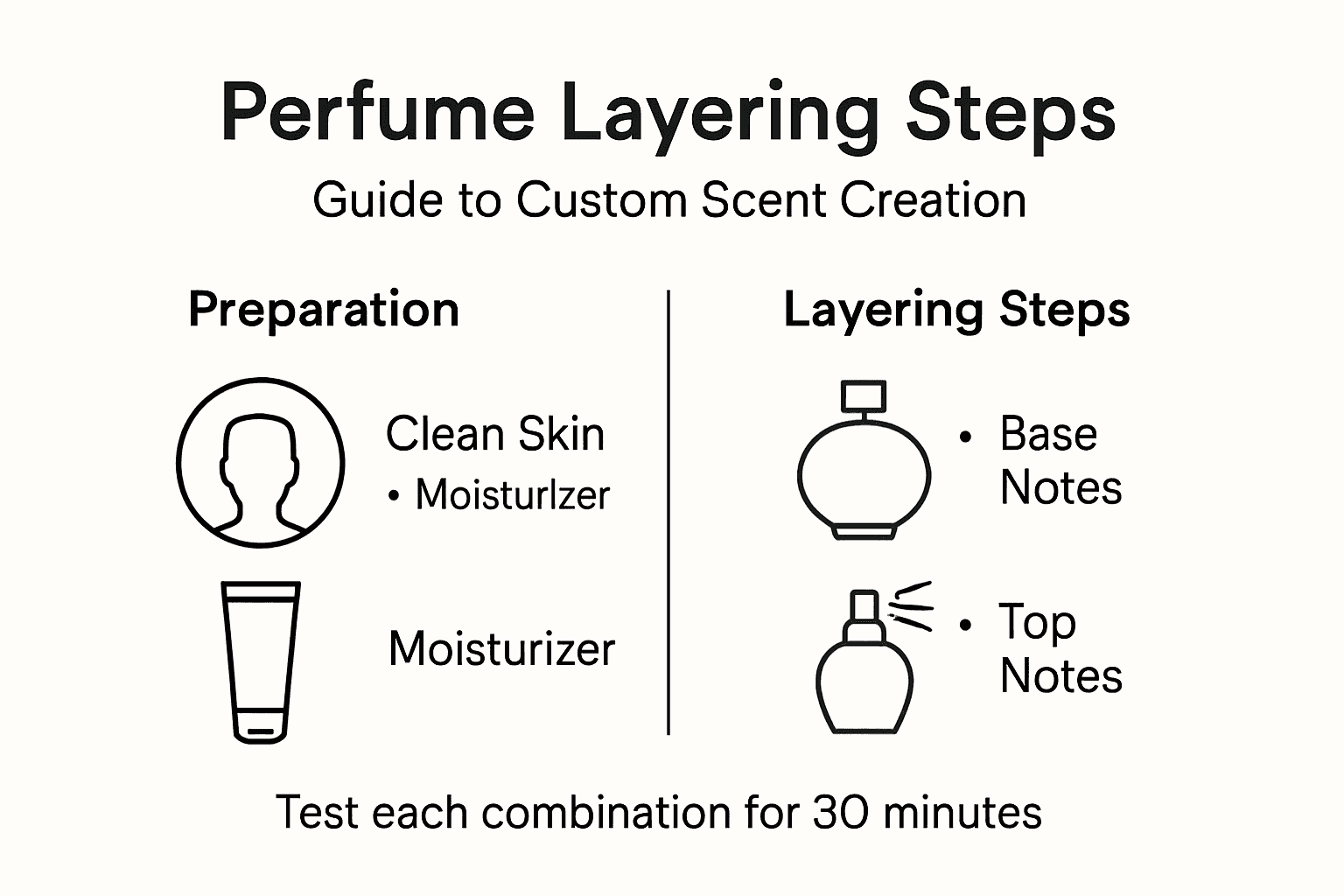
Hot tip: Keep a small notebook to document your favourite combinations, noting the exact order and quantities of fragrances for future reference.
This table outlines perfume layering mistakes to avoid and their consequences:
| Mistake | Why It Matters | What to Do Instead |
|---|---|---|
| Using scented moisturisers | Competes with fragrance notes | Choose fragrance-free base |
| Skipping hydration | Reduces scent longevity | Moisturise before applying |
| Rushing layer application | Scents may clash or fade fast | Let each layer settle |
| Ignoring body chemistry | Unpredictable scent outcome | Test and adjust combinations |
Step 5: Maintain and reapply for lasting results
The art of perfume layering doesn’t end with initial application - it’s an ongoing dance of preservation and strategic revival. Fragrance maintenance techniques are crucial for ensuring your carefully crafted scent remains vibrant throughout the day.
To keep your perfume layering at its peak performance, consider these essential strategies:
- Store fragrances in cool, dark environments
- Use moisturising base layers to extend scent longevity
- Apply light touch-ups strategically
- Understand your skin’s unique fragrance interaction
- Monitor scent intensity throughout the day
Your fragrance is a living composition that evolves with your body’s temperature and movement. Think of it like a musical performance - some notes will fade while others become more pronounced, creating a dynamic sensory experience unique to you.
A well-maintained fragrance tells a story that unfolds gradually.
Focus on subtle reapplication techniques that refresh without overwhelming. A single spritz on pulse points can reignite the complexity of your layered scent, bringing back its initial nuanced character. Pay attention to how different environments and temperatures interact with your carefully constructed fragrance profile.
Hot tip: Carry a small sample vial of your base fragrance for midday touch-ups, ensuring your scent remains consistent and captivating.
Elevate Your Perfume Layering with Premium Organic Oils
Creating a bespoke scent through perfume layering requires not only creativity but also the perfect raw materials that will harmonise beautifully on your skin. If you’ve struggled with finding fragrance oils that blend well without overpowering or fading quickly, our Organic Perfume Oils | Kindly by Joe collection offers small batch, sustainably made solutions crafted to support your layering journey. Each oil is designed with premium ingredients to act as a clean, receptive base—making it easier to master the art of building complementary fragrance notes.
Transform your scent layering experience today by exploring our thoughtfully curated blends like PILLAR III — Resin, Tobacco & Shadow, which serve as captivating base notes that linger and evolve wonderfully over time. Visit Kindly By Joe now and discover how the right organic oils, paired with expert layering techniques, can create a lasting, personalised fragrance signature that truly tells your story.
Frequently Asked Questions
How do I prepare my skin for perfume layering?
To prepare your skin for perfume layering, start with a thorough cleanse using a gentle, moisturising body wash. Follow this up with a lightweight, unscented moisturiser to create a clean and hydrated base that enhances scent retention.
What types of fragrance notes should I consider when layering?
When layering fragrances, consider using complementary notes from different fragrance families. Start with heavier base notes like woody or musky scents, and layer lighter top notes such as citrus or floral essences to create a balanced and harmonious blend.
In what order should I apply my layered fragrances?
Apply your fragrances starting with the heaviest base notes first, as they provide a solid foundation for the lighter notes. Allow each layer to dry completely before adding the next, ensuring a harmonious scent evolution.
How can I fine-tune my layered fragrance?
To fine-tune your layered fragrance, test small amounts of each scent and observe how they interact on your skin. Allow sufficient time for the scents to develop, and adjust your combinations based on how they change throughout the day.
How can I maintain my layered fragrance throughout the day?
Maintain your layered fragrance by storing it in a cool, dark place and applying light touch-ups strategically on pulse points. Monitor the scent intensity throughout the day and reapply as needed to keep the fragrance vibrant and captivating.
What common mistakes should I avoid when layering fragrances?
Avoid using scented moisturisers, as they can compete with your fragrance notes. Additionally, don’t rush through the layer application process; always let each layer settle for the best scent combination.
0 comments